 English
 اردو
اردو
Pakistan is an Agricultural Country
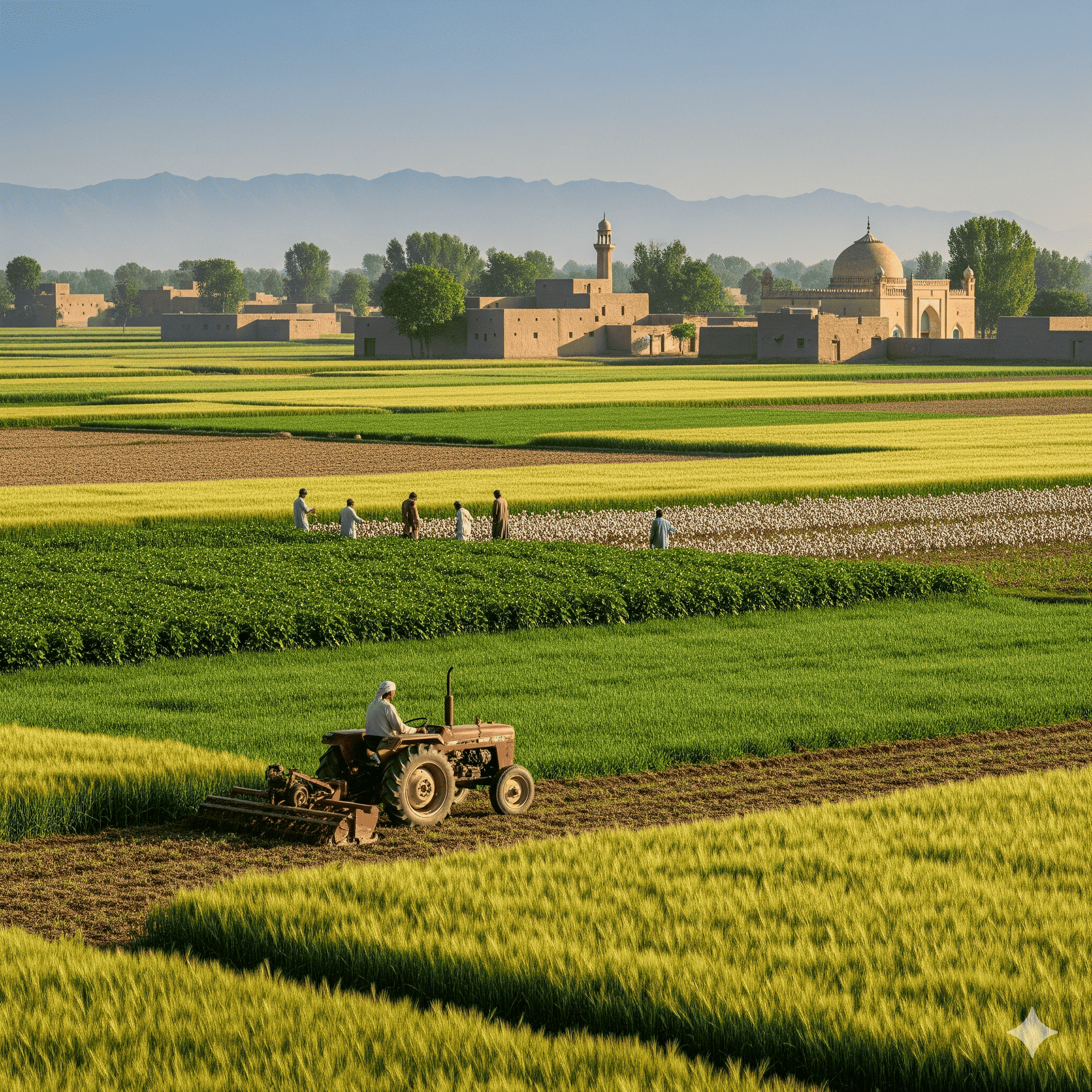
Pakistan is predominantly an agricultural country, with its economy deeply rooted in agriculture. As a sector that has historically been the backbone of the nation's economy, agriculture continues to play a significant role in ensuring food security, generating employment, and contributing to export earnings. The rich alluvial plains, favorable climate, and hardworking farmers of Pakistan form the foundation of its agrarian identity.
Importance of Agriculture in Pakistan
Agriculture is the largest source of livelihood for the majority of Pakistan's population. Nearly 60% of the country's labor force is employed in this sector, directly or indirectly. The agricultural sector contributes approximately 19-20% to the Gross Domestic Product (GDP) of Pakistan, reflecting its centrality to economic activity.
In addition to feeding the population, agriculture is the primary supplier of raw materials to major industries, including textiles, sugar, and food processing. Cotton, for example, is the backbone of Pakistan's textile industry, which is one of the largest contributors to export revenues.
Major Crops and Agricultural Products
Pakistan is known for its diverse agricultural output. The major crops include wheat, rice, sugarcane, and cotton. Wheat is the staple food of the country, while rice is a significant export commodity, particularly basmati rice, which is renowned globally for its quality.
Fruits and vegetables also contribute significantly to agricultural production. Mangoes, oranges, and dates are popular fruits exported to various parts of the world. Additionally, livestock farming is an integral part of Pakistan's agriculture, with the country being a leading producer of milk and meat in the region.
The Indus River System
The Indus River and its tributaries are lifelines for Pakistan’s agriculture. The vast irrigation system, one of the largest in the world, supports the cultivation of crops in areas that would otherwise be arid. This system has allowed Pakistan to overcome challenges posed by its climatic conditions, ensuring water supply for agriculture in both Punjab and Sindh, the country's agricultural heartlands.
Challenges Facing Agriculture in Pakistan
Despite its pivotal role, the agricultural sector in Pakistan faces numerous challenges. These include outdated farming techniques, water scarcity, and the adverse impacts of climate change. Soil erosion and salinity have reduced the fertility of agricultural lands, while inefficient irrigation methods lead to water wastage.
Furthermore, small-scale farmers, who form the majority, often struggle due to limited access to credit, modern machinery, and quality seeds. The lack of research and development in agriculture, coupled with inadequate government policies, further exacerbates these problems.
The Role of Technology and Modernization
To address these challenges, Pakistan must embrace technological advancements and modern farming practices. Mechanized farming, precision agriculture, and the use of high-yield variety seeds can significantly boost productivity. Additionally, investment in agricultural research and development, as well as the promotion of sustainable practices, is critical for ensuring long-term agricultural growth.
Digital platforms and mobile apps can help farmers access market information, weather forecasts, and agricultural extension services. Solar-powered irrigation systems and efficient water management technologies can also play a significant role in addressing water shortages.
Conclusion
Pakistan's identity as an agricultural country remains strong, with immense potential to further develop this sector. By addressing the existing challenges and adopting modern agricultural practices, Pakistan can not only ensure food security for its growing population but also strengthen its economy through increased exports. As the lifeline of millions, agriculture is not just a profession in Pakistan but a way of life, deeply intertwined with the nation's culture, heritage, and economic future.